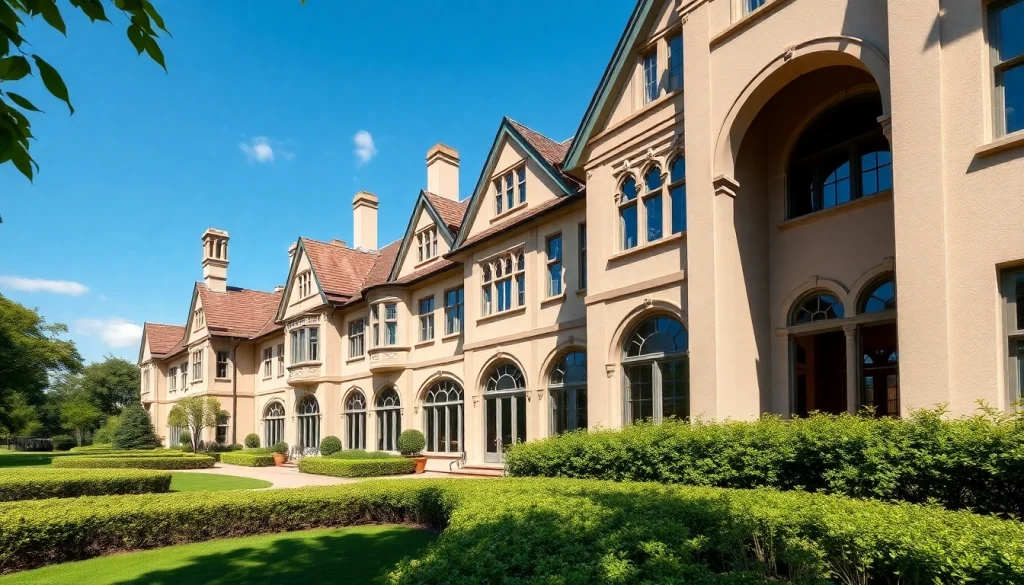
Introduction to Wellesley Tudor Expansion
The Wellesley Tudor Expansion represents a perfect blend of timeless architecture and modern functionality. As homeowners seek to enhance their living spaces, understanding this unique style of expansion becomes increasingly vital. The Tudor style, known for its distinctive features and historical significance, offers an inviting atmosphere while posing opportunities and challenges in design and construction.
What is Wellesley Tudor Expansion?
The Wellesley Tudor Expansion is a residential design approach focused on expanding existing Tudor homes while preserving their unique architectural characteristics. This architectural style, marked by steeply pitched gables, decorative half-timbering, and intricate masonry, is complemented by modern amenities that cater to contemporary lifestyles. The aim of such expansions is not only to increase living space but also to elevate the home’s aesthetic appeal and functionality.
Key Features of Tudor Architecture
Tudor architecture is rich in detail and offers several defining features:
- Steeply Pitched Roofs: These roofs often create an iconic silhouette, with gables that add height and character to the structure.
- Half-Timbering: A hallmark of Tudor style, half-timbering combines exposed wooden frames with masonry walls, enhancing the visual interest of the facade.
- Brick and Stone Work: The use of different textures and colors in brick and stone adds depth and elegance, making each home unique.
- Large Windows: Traditionally divided into smaller panes, large leaded glass windows invite natural light while maintaining privacy.
Importance of Expansions in Residential Design
Home expansions play a crucial role in adapting older homes to new needs. They provide the opportunity to accommodate growing families, enhance property value, and improve functionality and comfort. Moreover, gaining extra living space can transform how homeowners utilize their homes, offering newfound areas for recreation, work, and relaxation. Such expansions can also contribute to the long-term sustainability of the property, ensuring it remains relevant and cherished for generations.
Planning Your Wellesley Tudor Expansion
Understanding Zoning Regulations
Before initiating any expansion project, understanding local zoning regulations is essential. Zoning laws dictate land use, building heights, and the distance structures must be set back from property lines. Homeowners must engage with local municipal offices to obtain necessary permits and ensure compliance, mitigating the risk of future legal issues or costly modifications.
Budgeting for Your Project
A well-structured budget is central to the success of the Wellesley Tudor Expansion. Homeowners should account for various costs, including:
- Planning and architectural fees
- Building permits and fees
- Materials and labor costs
- Landscaping and external features
Creating a contingency fund is advised, as unforeseen expenses often emerge during construction. By budgeting carefully, homeowners can minimize stress and ensure a smoother expansion process.
Choosing the Right Contractors
Finding skilled contractors experienced in Tudor architecture and expansions is paramount. Homeowners should look for professionals who have a portfolio demonstrating similar projects. Conducting interviews, checking references, and reviewing past work can help homeowners make informed decisions. Prioritize contractors who understand the nuances of maintaining Tudor aesthetics while integrating modern elements.
Design Elements of the Wellesley Tudor Expansion
Exterior Aesthetics and Materials
The exterior of a Tudor home should remain true to its style while accommodating new design elements. This involves carefully selecting materials that blend seamlessly with existing structures. Traditional materials like brick, natural stone, and wood should be prioritized to maintain historical integrity. Additionally, designing porches, balconies, and bay windows can provide functional outdoor spaces that enhance the home’s visual appeal.
Interior Layout and Functionality
One of the key aspects of a successful Wellesley Tudor Expansion lies in optimizing the interior layout. This may include:
- Open-Plan Living: Expanding into open concepts can facilitate better flow and multifunctional living spaces.
- Dedicated Zones: Creating zones for specific activities like work, relaxation, and social engagement improves daily living.
- Natural Light: Incorporating more windows or skylights introduces natural lighting that enhances light and space perception.
Balance the need for individuality with the desire for continuity, ensuring all new spaces feel like an integral part of the home.
Landscaping and Surrounding Elements
Landscaping is critical in enhancing the beauty of a Tudor home. Implementing garden designs that reflect the English countryside can create a harmonious relationship between the house and its surroundings. Consider incorporating:
- Formal hedges and pathways
- Seasonal flower beds and native plants
- Water features, like small ponds or fountains
Working with landscape architects can yield designs that complement the architectural style while optimizing outdoor space.
Challenges in the Wellesley Tudor Expansion
Common Design Constraints
Each home expansion comes with design constraints that must be carefully navigated. For Tudor homes, maintaining the architectural integrity while expanding can be complicated. Homeowners should consider how new structures integrate with existing aesthetics, avoiding mismatches in design language. Collaborating with an architect skilled in Tudor design can provide guidance to overcome these hurdles.
Addressing Structural Issues
Older homes may have structural challenges that complicate expansions. Common issues include outdated foundations, non-load bearing walls, and deteriorating materials. Engaging a structural engineer during the planning phase can help identify potential problems early, allowing for appropriate reinforcements and safety measures to be implemented.
Weather Considerations for Construction
Weather can significantly impact construction timelines and material choices. For instance, extreme cold can affect concrete curing, while excessive rain can delay exterior work. Homeowners should plan around local seasonal conditions, working with contractors who can adapt to potential weather-related challenges, ensuring a smooth construction process and maintaining material quality.
Future Trends in Tudor Architectural Expansions
Embracing Sustainable Practices
As environmental concerns grow, incorporating sustainable practices in the Wellesley Tudor Expansion becomes increasingly relevant. Homeowners can opt for energy-efficient materials, thermal insulation, and solar panels that respect the home’s aesthetic. Green roofs or gardens can also improve insulation and reduce stormwater runoff, enhancing the home’s environmental impact.
Technological Innovations in Design
Advancements in technology are revolutionizing the design and construction phases. Utilizing Building Information Modeling (BIM) allows homeowners and contractors to visualize the expansion in detail before construction begins. Such technologies can streamline project management and ensure higher accuracy, uncovering issues early in the design phase.
Blending Modern Features with Classic Styles
Striking the right balance between modernity and tradition will dictate future Tudor expansions. Homeowners looking to blend modern conveniences, such as open spaces and contemporary appliances, with classic Tudor elements can create an inviting and functional home. Careful consideration of materials, colors, and design features helps achieve a harmonious integration, elevating both style and livability.
FAQs
What defines the Wellesley Tudor Expansion?
The Wellesley Tudor Expansion features iconic Tudor architecture, characterized by steep gables, decorative half-timbering, and a cozy aesthetic that enhances its setting.
How can I budget for a Wellesley Tudor Expansion?
Consider costs like planning, design, materials, and labor. It’s critical to create a realistic budget that anticipates potential overruns.
What permits are needed for the expansion?
Zoning permits and building permits are typically needed. Check local regulations to ensure compliance before starting the expansion.
Can I blend modern design with the Wellesley Tudor Expansion?
Yes, it’s possible to incorporate contemporary elements while respecting the traditional Tudor style, enhancing overall functionality and appeal.
How does landscaping enhance Tudor architecture?
Careful landscaping, including plants that complement the architecture, can enhance the home’s appearance and create a harmonious outdoor space.