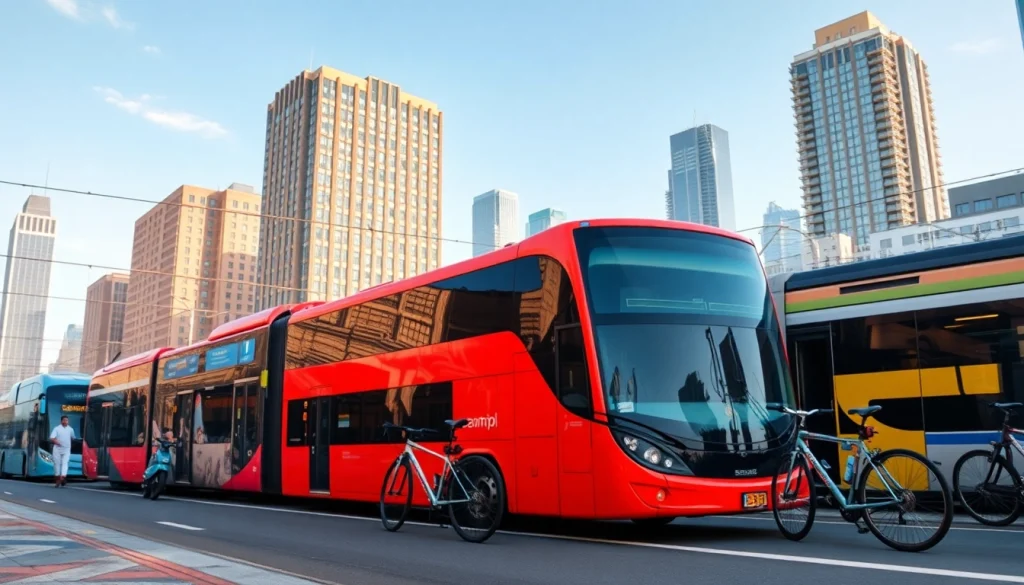
Understanding the Basics of Transportation
What is Transportation?
Transportation, derived from the Latin word ‘transportare,’ refers to the movement of people, animals, or goods from one location to another through various means. This facilitation of movement plays a critical role in everyday life, commerce, and social interaction. Whether by road, air, sea, or rail, transportation systems connect communities and economies, underpinning everything from local errands to global trade. At its core, transportation encompasses not only the vehicles and infrastructure but also the regulations and policies governing them.
For individuals and businesses alike, understanding transportation systems is essential for efficient planning and execution of daily operations and long-term strategic goals. These systems have evolved significantly over time and continue to adapt to technological advancements and changing societal needs.
Key Modes of Transportation
The landscape of transportation can be categorized into several key modes, each with its unique characteristics, advantages, and challenges:
- Road Transportation: This is perhaps the most familiar mode, involving vehicles like cars, trucks, buses, and motorcycles. Roads are vital for personal travel and commercial freight movement.
- Rail Transportation: Trains are an efficient means to transport large quantities of goods over long distances, often more economically compared to road transport.
- Air Transportation: Airplanes enable rapid travel and transport of goods across continents and across the world, although they are often the most expensive method.
- Water Transportation: Ships and boats are used for transporting goods and people over oceans and rivers. This method is particularly effective for bulk commodities.
- Public Transportation: Buses, trams, and subways are integral for urban mobility, providing a feasible alternative to personal car use and helping to reduce congestion.
The Importance of Transportation in Daily Life
Transportation is fundamental to economic growth and societal development. It enables access to education, employment, essential services, and leisure activities. Effective transportation systems facilitate trade and the distribution of resources, profoundly impacting local and global economies. In urban settings, reliable public transportation systems are crucial in reducing traffic congestion and air pollution, thereby contributing to sustainable city development.
Modern Innovations in Transportation
Emerging Technologies in Transportation
The technological landscape of transportation is constantly evolving, with innovations reshaping how we think about movement. Technologies such as autonomous vehicles, electric cars, and artificial intelligence are at the forefront of this evolution:
- Autonomous Vehicles: Self-driving cars promise to significantly alter road transportation, enhancing safety and efficiency while potentially reducing the need for personal vehicle ownership.
- Electric Vehicles (EVs): With growing concerns regarding climate change, electric vehicles offer a sustainable alternative to traditional combustion engines, further supported by advancements in battery technology.
- Drones: Unmanned aerial vehicles are not just for military use anymore; they are increasingly being explored for the delivery of goods, surveying landscapes, and even in emergency services.
Electric and Hybrid Vehicles
As the world faces the ramifications of climate change, electric and hybrid vehicles (EVs and HEVs) are becoming increasingly popular. Governments worldwide are implementing incentives to encourage their adoption, as these vehicles emit significantly fewer greenhouse gases compared to their gas or diesel counterparts. Innovations in battery technology, including longer-lasting batteries and more efficient charging methods, continue to improve the viability and appeal of EVs and HEVs.
Smart Transportation Systems
Smart transportation systems integrate technology and data to enhance transportation efficiency and safety. Examples include smart traffic lights that adapt to real-time traffic conditions, public transit apps that offer real-time schedules, and connected vehicles that communicate with each other and the infrastructure. By leveraging the Internet of Things (IoT), cities can optimize traffic flow, reduce wait times, and enhance user experience.
Challenges in the Transportation Sector
Infrastructure Limitations
Despite technological advancements, many transportation infrastructures worldwide suffer from underinvestment, leading to congestion, delays, and even safety hazards. Aging roads, bridges, and public transit systems require significant maintenance and upgrades. The American Society of Civil Engineers (ASCE) frequently gives low grades to U.S. infrastructure, highlighting the urgent need for reform and funding.
Environmental Impact
Transportation is a major contributor to global greenhouse gas emissions and air pollution. According to the Environmental Protection Agency (EPA), transportation accounts for nearly 29% of total greenhouse gas emissions in the U.S. The shift towards more sustainable practices, including the promotion of public transportation, cycling, and walking, is essential to reducing transportation’s carbon footprint.
Safety Concerns in Transportation
The safety of transportation systems remains a predominant concern. Travel by road, rail, or air carries inherent risks, governed by various factors such as vehicle safety standards, driver behavior, and emergency response measures. Improved safety protocols, better training for drivers, and advanced technology—such as collision avoidance systems—are necessary to mitigate risks and enhance safety across all modes of transportation.
Best Practices for Efficient Transportation
Planning Your Transportation Needs
Effective transportation planning requires insight into travel patterns, demand forecasting, and the needs of the community. Utilizing data analytics can aid in understanding peak travel times, enabling better allocation of resources and improved service levels. Additionally, ensuring accessibility for all demographics, including the elderly and disabled individuals, is crucial for equitable transportation systems.
Cost-Effective Transportation Solutions
Transportation costs can quickly add up, whether for individuals or businesses. Exploring alternative transportation methods such as carpooling, using public transport, or implementing telecommuting can yield significant savings. For companies, optimizing supply chains through effective logistics planning—using methods like just-in-time delivery—can also reduce transportation costs.
Integrating Public and Private Transport
Coordination between public and private transportation systems is essential for maximizing efficiency and user satisfaction. Solutions like transit-oriented development encourage mixed-use development near transport hubs, thus promoting public transport use. Additionally, partnerships between public transit and ride-sharing services can provide complementary options for riders, thereby improving accessibility and decreasing reliance on personal vehicles.
The Future of Transportation
Trends Shaping the Future of Transportation
The future of transportation is being shaped by several key trends, including urbanization, technology integration, and sustainability efforts. With growing urban populations, cities are reevaluating how they structure their transport systems, emphasizing efficiency, sustainability, and safety. Moreover, advancements in automotive technology, such as vehicle-to-everything (V2X) communication, are paving the way for smarter, more connected transport systems.
Policy Changes Affecting Transportation
Government policies play a critical role in shaping transportation systems. Legislation promoting sustainable energy use, renewable fuels, and electric vehicles will influence how transportation evolves. Moreover, policies enhancing public transport infrastructure investment can significantly alter commuting patterns, improve service delivery, and cater to emissions reduction targets.
Community Involvement and Transportation Planning
Community input is fundamental for successful transportation planning. Engaging local populations ensures that transportation systems meet their needs, enhancing both usage and satisfaction. Methods such as public forums, surveys, and collaborative workshops can help gather vital feedback from residents and stakeholders, fostering a sense of ownership and cooperation in transportation projects. Ensuring consideration of diverse perspectives will result in more comprehensive solutions catering to the entire community.