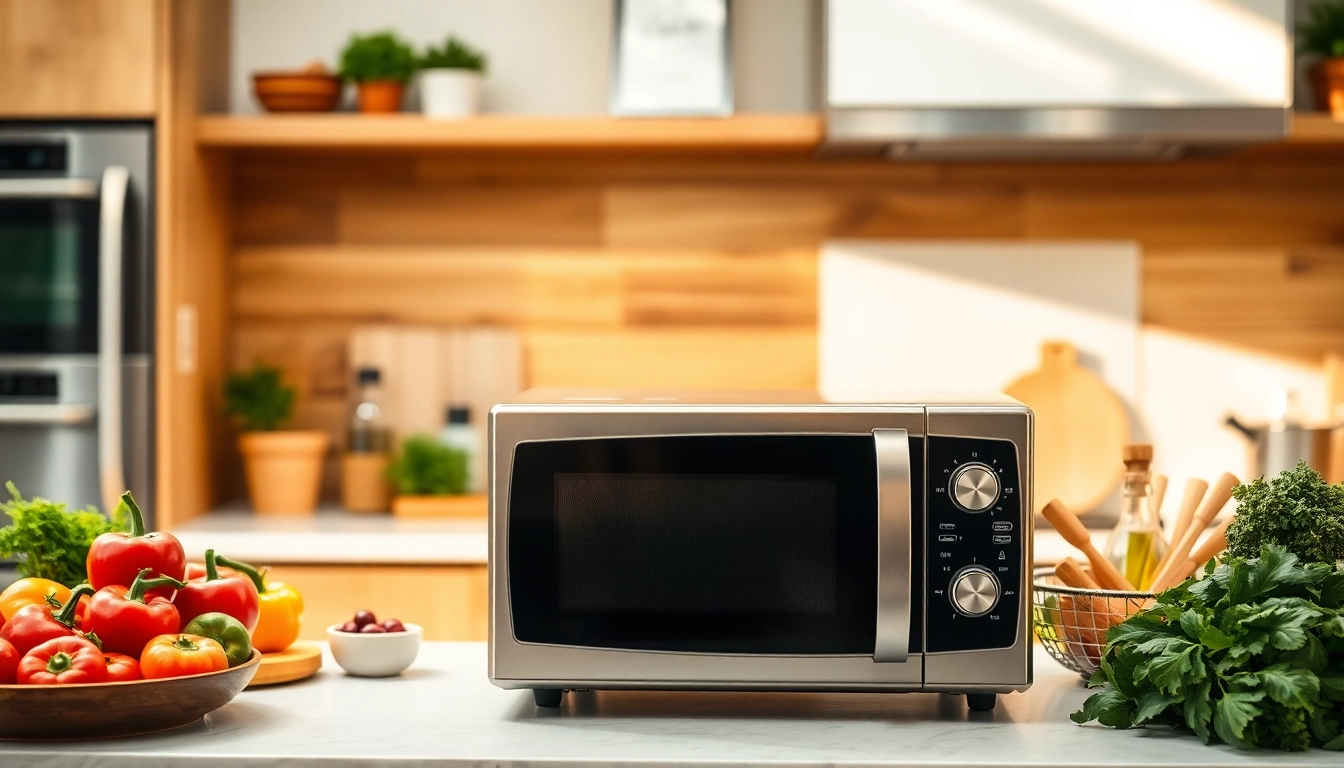
Introduction to Microwave Oven Technology
In the fast-paced world of modern cooking, the microwave oven has carved out a unique space as an indispensable kitchen appliance. From reheating leftovers to cooking meals, its versatility and convenience have made it a staple in homes across the globe. In this article, we will delve into the technology behind microwave ovens, explore the different types available, and discuss the essential features to consider when choosing the right microwave for your kitchen.
What is a microwave oven?
A microwave oven is an electric kitchen appliance that cooks food by exposing it to electromagnetic radiation within the microwave frequency range. This radiation interacts with water molecules in food, causing them to vibrate and produce heat, which cooks the food efficiently. Unlike conventional ovens, microwave ovens don’t require preheating, which saves both time and energy.
How microwave ovens work
The operation of a microwave oven primarily relies on a component called the magnetron, which generates microwaves. When you set a microwave to cook food, the magnetron sends these microwaves into the cooking chamber, where they are absorbed by the food, particularly by water, fats, and sugars. The absorption of this energy causes molecular vibrations that generate heat, allowing food to cook quickly and evenly. The cooking time can typically be adjusted according to the power level selected, ranging from low to high.
Importance of microwave oven in modern kitchens
The microwave oven’s role in the modern kitchen extends beyond basic reheating. It enhances cooking efficiency, allowing for quicker meal preparation and greater flexibility in cooking methods. Additionally, many microwave ovens now come equipped with features such as auto-cook settings, digital interfaces, and safety features, making them a safe and user-friendly option for cooks of all skill levels.
Types of Microwave Ovens
When selecting a microwave oven, it’s essential to consider the different types available, as each serves different kitchen layouts and cooking needs.
Countertop microwave oven
Countertop microwave ovens are the most common type found in households. They are compact, easy to use, and can be placed on any kitchen surface, making them suitable for various spaces. These models often come with a variety of power levels and cooking presets, offering flexibility in cooking different types of food. Ideal for smaller kitchens, dorm rooms, or as an additional cooking tool in larger kitchen setups, countertop microwaves bring convenience to everyday cooking.
Over-the-range microwave oven
Over-the-range microwave ovens serve a dual purpose: they function as both a microwave and a range hood, allowing for ventilation while saving valuable counter space. These models typically come with built-in lighting features and various fan speeds to help eliminate smoke and odors during cooking. Over-the-range microwaves are particularly beneficial in smaller kitchens where every inch of space counts.
Built-in microwave oven
Built-in microwave ovens blend seamlessly into kitchen cabinetry, providing a sleek aesthetic. They are often installed at eye level, making them easy to access, and come with customizable features to match the overall kitchen design. Built-in microwaves typically offer a wide array of cooking options and presets, making them versatile for various cooking tasks. These models require professional installation, which is a consideration for some homeowners.
Key Features to Consider
When browsing for a microwave oven, understanding the features that impact usability, efficiency, and cooking performance is crucial. Here are some of the key features to keep in mind.
Power levels and wattage of microwave oven
The wattage of a microwave oven significantly influences its cooking power and efficiency. Most microwave ovens range from 600 to 1200 watts, with higher wattage allowing for faster cooking times and more consistent results. It’s essential to consider your cooking habits and choose a wattage level that aligns with your needs. For example, if you often reheat leftovers or defrost frozen foods, opting for a higher wattage model will yield better results.
Cooking presets and controls
Cooking presets are valuable features found in modern microwave ovens. These presets allow users to select specific food types and automatically adjust cooking times and power levels. Common presets include popcorn, reheating, baking, and defrosting. Additionally, intuitive control panels featuring digital displays or tactile buttons can enhance usability and improve the cooking experience, especially for inexperienced users.
Size and capacity considerations
The size of the microwave oven should correspond with your kitchen space and cooking needs. Microwave ovens are available in various capacities, typically ranging from 0.5 cubic feet for compact models to over 2.0 cubic feet for larger units. Consider how much counter space you have available and how much food volume you typically need to cook or reheat when choosing the appropriate model.
Benefits of Using a Microwave Oven
The microwave oven offers several key benefits, making it a popular choice for many households. Here, we explore these advantages in detail.
Time-saving advantages
One of the most significant perks of using a microwave oven is the substantial time savings it offers. Unlike traditional ovens that require preheating and longer cooking times, microwave ovens can heat food in a fraction of the time. This capability is particularly beneficial for busy individuals or families who need to prepare meals quickly without sacrificing quality.
Energy efficiency of microwave oven
Microwave ovens are generally more energy-efficient than conventional ovens. They consume less electricity due to their shorter cooking times and the fact that they heat only the food, not the entire cooking chamber. This efficiency can lead to lower energy bills, making microwave ovens an environmentally friendly option for everyday cooking.
Versatility in cooking techniques
In addition to reheating and defrosting, modern microwave ovens come equipped with cooking features that allow for various cooking techniques, including grilling and baking. Some even offer convection capabilities, combining the benefits of microwave radiation with circulating hot air. This versatility allows for greater creativity in the kitchen while making meal preparation faster and easier.
Common Microwave Oven Issues and Troubleshooting
Despite their convenience, microwave ovens are not without potential issues. Understanding common problems and their solutions can save you time and frustration.
Heating problems and solutions
If your microwave oven isn’t heating properly, several factors could be at play. Check the power settings to ensure they are correct, and inspect the door seal for any damage. A malfunctioning magnetron may require professional replacement. Regular cleaning of the interior can also improve heating efficiency, as grease and debris can trap heat and hinder performance.
Maintenance tips for your microwave oven
To maintain optimal performance, regularly clean your microwave oven. Wipe down the interior and exterior with a damp cloth, using mild detergent when necessary. Avoid using harsh chemicals that can damage the surface. Also, clean the microwave’s filter regularly if it has one, as this will help keep it running smoothly and efficiently.
When to replace your microwave oven
Replacement may be necessary if your microwave oven shows signs of major malfunction, such as extensive heating issues, physical damage, or if it no longer meets your cooking needs. Consider replacing it when repair costs exceed half the price of a new unit. Additionally, newer models with advanced features may provide significant benefits over older units, making an upgrade worthy of consideration.
FAQs About Microwave Ovens
1. How long do microwave ovens typically last?
Most microwave ovens last between 5 to 10 years, depending on usage, maintenance, and quality of the unit. Regular cleaning and proper maintenance can prolong their lifespan.
2. Can I use metal containers in a microwave oven?
No, using metal containers in a microwave can cause sparks and fire hazards. It’s best to use glass, ceramic, or microwave-safe plastic containers.
3. What is the best way to clean the microwave oven?
The best way to clean your microwave is to use a mixture of water and vinegar or lemon juice. Heat it in the microwave for a few minutes, then wipe down the interior with a cloth.
4. Why does my microwave oven make noise?
Noises can be normal, but if it’s excessive, it may indicate a problem with the magnetron or turntable motor. It’s worth having it checked if the noise is unusual.
5. Can microwave ovens be used for baking?
Yes, many modern microwave ovens offer convection modes or specific baking settings, allowing you to bake items like cakes and cookies effectively.