Introduction to Fly Fishing Backpack
For avid anglers, a fly fishing backpack is not merely an accessory but a vital component of their fishing gear. Whether you’re hiking to a remote stream or wading near the shore, the right backpack can make all the difference, providing essential support and organization for your equipment. Understanding what makes a fly fishing backpack suitable for your needs is key as you plan your next adventure. Fly fishing backpack choices today vary greatly, each designed to enhance your fishing experience while ensuring comfort and accessibility.
What is a Fly Fishing Backpack?
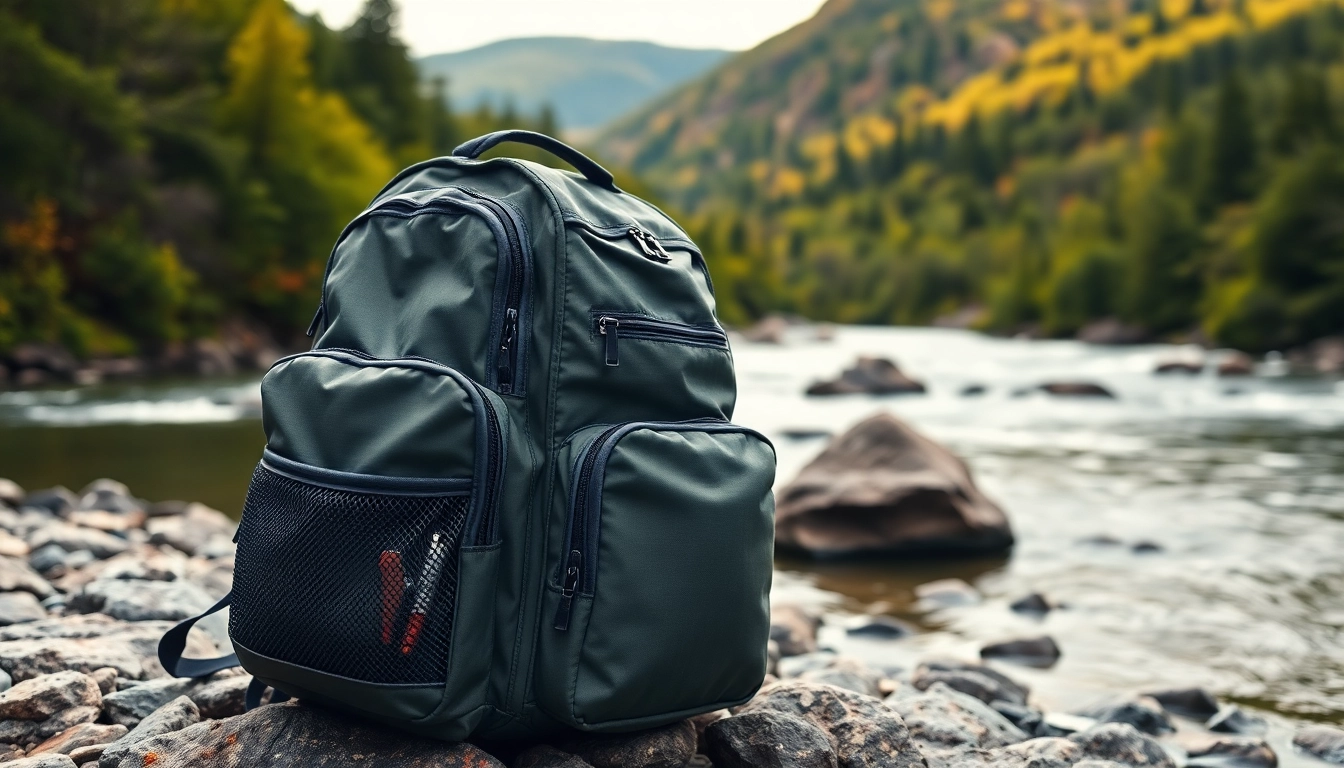
A fly fishing backpack is specifically designed to carry the essential gear needed for fly fishing, allowing anglers to easily transport and organize their equipment. Unlike typical backpacks, fly fishing backpacks often feature specialized compartments for rods, reels, flies, and personal items, all while prioritizing comfort for prolonged wear during a fishing trip.
Importance of Choosing the Right Backpack
Selecting the right fly fishing backpack is crucial to not only ensure that your gear is protected but also to enhance your efficiency on the water. An appropriate backpack can facilitate quick access to fishing tools, provide enough storage for all necessary items, and enhance overall mobility during fishing excursions. Investing time in selecting the right backpack can transform your fishing experience from cumbersome to pleasurable.
Key Features to Look For
When choosing a fly fishing backpack, consider several key features:
- Water Resistance: This is vital to protect your gear from splashes and rain. Look for durable, waterproof fabrics and sealed seams.
- Storage Options: Varying pocket sizes and configurations will help you organize your gear, ensuring you can quickly reach for what you need.
- Comfort and Fit: Adjustable straps, padded backs, and ventilation systems offer comfort for long days on the move.
- Accessibility: Features like external rod holders or quick access pockets make it easier to grab what you need without fumbling.
Types of Fly Fishing Backpacks
Day Packs vs. Multi-Day Packs
When it comes to fly fishing backpacks, one important distinction is between day packs and multi-day packs:
- Day Packs: Typically designed for short trips, these packs are smaller and lighter. They suffice for carrying essential gear and allow for quick access whilst on the water.
- Multi-Day Packs: Ideal for extended trips or backcountry fishing, these offer increased storage capacity and compartments for additional items such as clothing, food, and water.
Waterproof Options and Features
Waterproof backpacks are a vital choice for anglers who fish in unpredictable conditions. These backpacks are generally constructed from materials such as nylon or PVC, featuring waterproof zippers and seamless designs that ensure water does not permeate the contents. Investing in a waterproof fly fishing backpack can prevent expensive gear from being damaged in moist environments.
Special Features (Pockets, Holders, etc.)
Explore additional features that can enhance your fishing experience. Some backpacks include:
- Rod Holders: These allow you to securely transport and store your rod while keeping your hands free for other tasks.
- Net Holders: Designed for quick access, a net holder keeps your landing net conveniently stowed yet readily available.
- Cooler Compartments: Some specialty backpacks come with insulated pockets for keeping drinks or snacks cool.
Choosing the Right Size for Your Fly Fishing Backpack
Understanding Capacity Measurements
When selecting a fly fishing backpack, understanding capacity measurements is essential. Packs can range typically from 20 liters for day packs to upwards of 70 liters for multi-day packs. The capacity must align with your planned fishing duration and specific gear requirements.
How Much Gear Do You Need?
The amount of gear you carry will often dictate the size of the backpack you need. Consider the essentials: fly rods, reels, flies, leaders, tippets, and personal items. Engage in pre-trip organization to determine what you truly require for an optimal experience.
Balancing Size and Comfort
A larger backpack may provide the necessary space, but it is essential to balance size with comfort. A well-fitting backpack with adequate support will allow you to carry your gear without causing fatigue. Consider adjustable straps, padding, and back support when assessing comfort features.
Best Practices for Packing Your Fly Fishing Backpack
Organizing Your Gear Efficiently
Efficient organization is critical for maximizing the utility of your fly fishing backpack. Start by placing heavier items at the bottom of the pack to maintain balance. Use various pockets for specific items—such as tippet and leaders in smaller compartments and bulkier items like waders or jackets in larger sections.
Essential Items to Include
Essential gear to include in your pack may consist of the following:
- Fly rods and reels
- Flies and containers
- Fishing license and identification
- First-aid kit
- Water and snacks
- Waders and boots
Tips for Quick Access and Safety
For safety and convenience, ensure quick access to your most-used items. Use external pockets for immediate needs like snacks or drinks, and maintain a first-aid kit accessible as well. A well-packed backpack can prevent situational mishaps and enhance on-the-water safety.
Frequently Asked Questions about Fly Fishing Backpacks
What is the best fly fishing backpack?
The best fly fishing backpack varies based on personal needs, but it should have ample storage, comfort features, and waterproof materials for optimal functioning.
What size backpack is best for fly fishing?
Generally, a 30-40L capacity backpack is ideal for day trips. This size allows you to carry essential gear without being cumbersome during your outing.
What essential gear should I carry for fly fishing?
Key items include fly rods, reels, flies, leaders, a first-aid kit, snacks, and a hydration source to ensure a comfortable and safe fishing experience.
Can a fly fishing backpack be used for other activities?
Yes! Fly fishing backpacks can function effectively for other outdoor activities such as hiking, camping, and travel, thanks to their durable construction and spacious organization.
What features make a backpack waterproof?
Waterproof backpacks use water-resistant materials, sealed seams, and waterproof zippers, which together prevent water from damaging the contents during wet conditions.