Introduction to Saltwater Fly Fishing
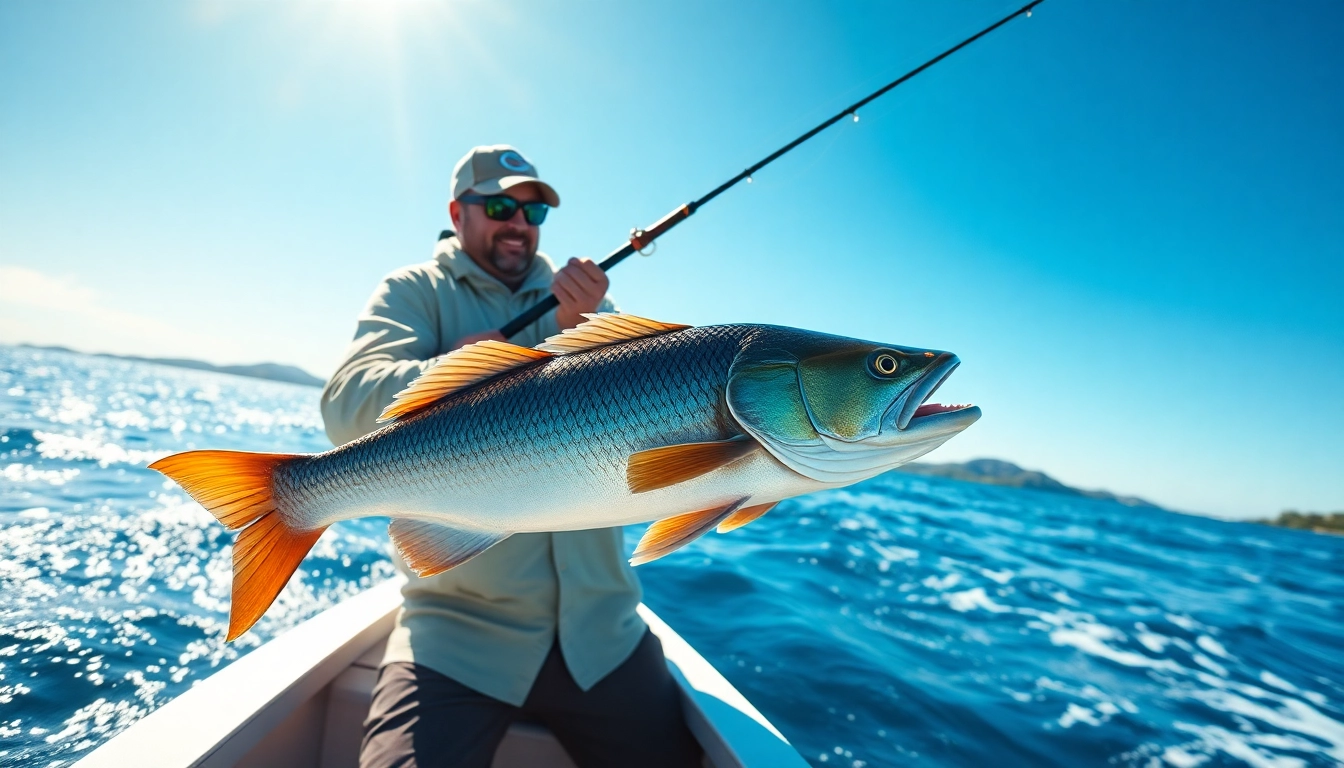
Saltwater fly fishing is an exhilarating form of fishing that attracts avid anglers from all over the world. This unique sport combines the art of fly fishing with the vast and dynamic environment of saltwater ecosystems. Anglers often find themselves captivated not only by the thrill of the catch but by the beauty and diversity of the surroundings. For those interested in exploring this sport, understanding the nuances of saltwater fly fishing is essential to enriching your experience.
What is Saltwater Fly Fishing?
Saltwater fly fishing involves the use of specialized equipment and techniques to catch fish in saltwater environments, such as oceans, bays, and estuaries. Unlike traditional fishing methods that utilize bait, saltwater fly fishing employs artificial flies crafted from materials like feathers, fur, and other synthetics. The primary goal is to entice predatory species through skillful casting and presentation of these flies.
History and Evolution of the Sport
The origins of fly fishing can be traced back to ancient civilizations. However, saltwater fly fishing began to emerge as a distinct discipline in the late 19th to early 20th century. Fly fishing for saltwater species was initially popularized by pioneering anglers who sought new adventures in deeper waters. Over time, technological advances in rods, reels, and line materials evolved the sport dramatically, making it more accessible to a broader audience.
The Benefits of Saltwater Fly Fishing
Engaging in saltwater fly fishing provides numerous advantages beyond just the sport itself. The physical challenges presented by this style of fishing improve an angler's casting accuracy and strength. Furthermore, fly fishing promotes mindfulness and patience, leading to a greater appreciation for the natural world. Additionally, it cultivates camaraderie among fishing enthusiasts, encouraging social ties and a supportive community.
Essential Gear and Tackle
Choosing the Right Fly Rod and Reel
When selecting a fly rod and reel for saltwater fishing, several characteristics must be taken into account, including rod length, weight, and action type. Typically, saltwater rods range from 8 to 12 feet in length with weights between 7 to 12. A heavier rod allows anglers to cast larger flies, while a lighter rod provides better sensitivity for detecting strikes. Reels should be corrosion-resistant, featuring a strong drag system to handle the fight of saltwater species.
Recommended Fly Patterns for Saltwater
In saltwater fly fishing, specific flies are known to be effective for different species. Common patterns include Clouser Minnows, Deceivers, and Bonefish Bitters. Clouser Minnows imitate small baitfish, making them perfect for predatory species such as tarpon and snook. Meanwhile, the Bonefish Bitter mimics shrimp, which is a staple food source for bonefish. Understanding the local forage and matching your fly selection accordingly is crucial for successful fishing.
Other Essential Fishing Gear
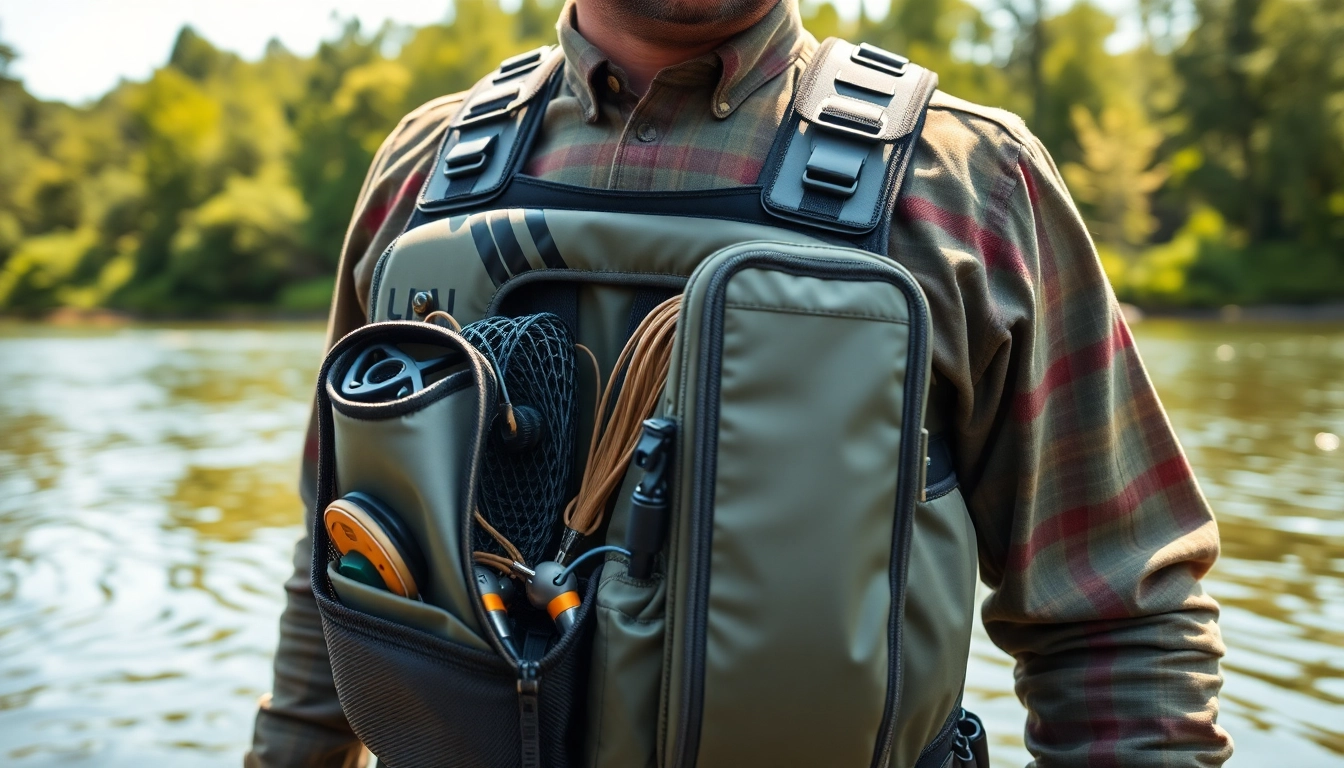
Beyond rods and reels, several additional pieces of gear are vital for a productive saltwater fly fishing experience. A quality fishing line, typically made of floating or intermediate material, is essential for efficient casting and presentation. Leaders and tippet material should be strong and abrasion-resistant, especially in environments with sharp structures or toothy fish. Additionally, accessories like sipping nets, polarized sunglasses, and sun protection gear enhance both comfort and safety while fishing.
Techniques for Successful Saltwater Fly Fishing
Understanding Saltwater Fish Behavior
To effectively target saltwater fish, it’s essential to understand their behaviors, habitat preferences, and feeding patterns. Species like striped bass are generally more active during low light conditions, while others, like permit, prefer shallow flats during the warmer parts of the day. Factors such as tidal movements, water temperature, and the presence of forage species can significantly affect feeding activity.
Effective Casting Techniques
Mastering casting techniques is critical for success in saltwater fly fishing. The double-haul technique is particularly useful for generating extra line speed and distance. This involves pulling the line with your non-dominant hand while simultaneously making a backcast. Practicing in varied conditions such as wind and proximity to obstacles will enhance your adaptability and skill, resulting in increased catch rates.
Tips for Reading the Water
Reading the water involves observing and interpreting signals in the environment to locate fish. Look for surface disturbances like rolling or splashing, which may indicate fish activity or predators feeding on bait. Changes in water color, currents, and tide flows are also indicators of fish presence. Developing an eye for subtle signs will improve your ability to strategically cast and maximize chances of success.
Location and Timing for Saltwater Fly Fishing
Best Locations for Saltwater Fly Fishing
Certain locations stand out as premier destinations for saltwater fly fishing. Coastal areas with strong currents, estuaries, and mangroves provide ripe environments for various species. Popular spots include the Florida Keys, the Bahamas, and the coastlines of California or Texas. When choosing a location, consider the target species you wish to pursue and the conditions they thrive in.
Seasonal Considerations and Timing
Understanding seasonal patterns is crucial for successful saltwater fly fishing. Many species migrate based on temperature and food availability. Spring and summer present opportune times for many species, but autumn can also be excellent as fish fatten up for winter. Tidal patterns, specifically the cycles of rising and falling tides, significantly influence fishing success; often, the two hours before and after high tide yield the best action.
Local Regulations and Conservation Efforts
Before embarking on a saltwater fishing trip, it's essential to familiarize yourself with local regulations, which can dictate species size limits, seasonal closures, and fishing permits. Adhering to these rules is critical for preserving fish populations and their habitats. Engaging in conservation efforts, such as catch-and-release practices and participating in local environmental initiatives, promotes sustainability within the sport.
Improving Your Skills and Experience
Common Challenges in Saltwater Fly Fishing
While engaging in saltwater fly fishing, anglers may face various challenges, including dealing with wind, navigating currents, and ensuring proper fly presentation. Wind can negatively impact casting and accuracy, while strong currents may complicate line management and presentation. Addressing these issues through practice, utilizing techniques like short casting, and adjusting the retrieve speed can enhance overall success.
Advanced Techniques for Experienced Anglers
For seasoned anglers looking to up their game, exploring advanced techniques such as sight fishing or using adaptive retrieval methods can be rewarding. Sight fishing requires honing your skills to spot fish in shallow waters and presenting the fly delicately without spooking them. Furthermore, alternating retrieve speeds can simulate prey movements and entice fish to strike. Continuous learning and experimenting with innovative methods will yield growth and enhance the overall fishing experience.
Resources for Learning and Community Engagement
Engaging with the fly fishing community and accessing educational resources can significantly elevate your skills. Joining local fishing clubs, participating in online forums, and accessing informational videos all provide valuable insights. Additionally, attending workshops or guided trips with experienced instructors enables practical learning in authentic environments. Building connections within the community fosters collaboration and knowledge-sharing, enriching your fly fishing journey.