
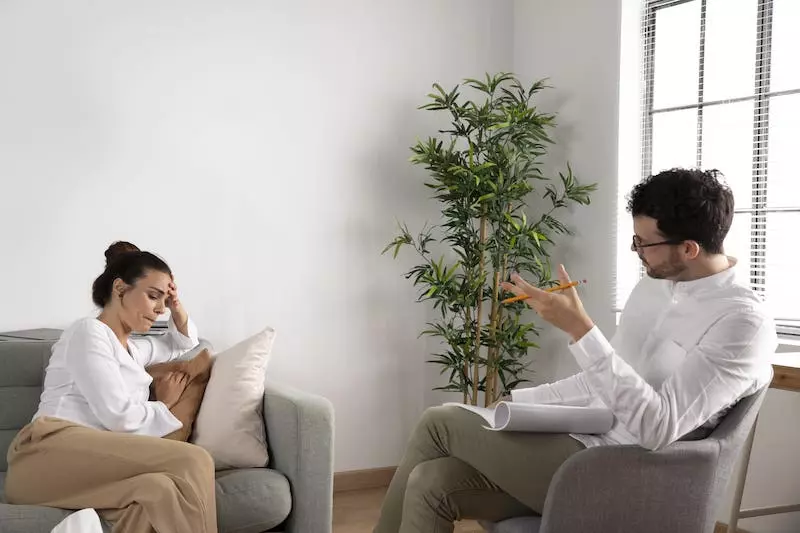
Stress and anxiety are natural responses to the challenges we face in daily life. While occasional stress can motivate us to perform better, chronic Stress and anxiety can negatively impact our emotional, mental, and physical health. Understanding how to manage these feelings effectively is essential for maintaining a balanced and fulfilling life. At Calm Minds Hub, we provide reliable, evidence-based techniques that help individuals tackle stress and anxiety with practical approaches supported by psychology.
Understanding Stress and Anxiety
Stress is the body’s reaction to a perceived threat or demand. It triggers the “fight or flight” response, releasing hormones like cortisol and adrenaline. Anxiety, on the other hand, is a more prolonged state of worry, often without a clear cause. While stress usually fades once the challenge is over, anxiety can linger and affect daily functioning.
Key signs of stress and anxiety include:
- Feeling restless or tense
- Difficulty concentrating
- Irritability or mood swings
- Physical symptoms like headaches, muscle tension, or rapid heartbeat
- Trouble sleeping
Recognizing these signs early allows individuals to implement effective techniques to reduce their impact.
Cognitive Techniques to Manage Stress and Anxiety
Psychology offers several evidence-based cognitive techniques that can significantly reduce stress and anxiety.
Cognitive Behavioral Therapy (CBT) Techniques
Cognitive Behavioral Therapy (CBT) focuses on identifying and changing negative thought patterns that contribute to stress and anxiety. Key CBT techniques include:
- Thought challenging: Question the validity of stressful thoughts and replace them with balanced, realistic ones. For example, instead of thinking, "I will fail this exam," try thinking, "I can prepare and do my best."
- Cognitive restructuring: Reframe anxiety-provoking situations to see them from a calmer perspective.
- Behavioral experiments: Test fears in real life to see if the anticipated negative outcomes actually occur.
Mindfulness and Stress Reduction
Mindfulness is the practice of being fully present in the moment without judgment. Research shows mindfulness reduces anxiety by improving emotional regulation. Simple mindfulness techniques include:
- Breathing exercises: Focused deep breathing helps activate the parasympathetic nervous system, reducing stress.
- Body scans: Slowly notice sensations throughout the body to relieve tension.
- Mindful observation: Pay attention to surroundings, sights, sounds, and smells to divert focus from anxiety.
Lifestyle Approaches to Reduce Stress and Anxiety
Making intentional lifestyle changes can have a profound impact on emotional health.
Physical Activity and Exercise
Exercise is a powerful stress reliever. Physical activity increases endorphin levels, which improve mood and reduce anxiety. Examples include:
- Walking, jogging, or cycling for at least 30 minutes daily
- Yoga for relaxation and flexibility
- Strength training to boost self-confidence
Healthy Sleep Habits
Poor sleep can intensify stress and anxiety. Psychology emphasizes the importance of consistent sleep routines:
- Go to bed and wake up at the same time daily
- Avoid screens one hour before bed
- Create a comfortable, quiet sleeping environment
Balanced Nutrition
Eating a nutrient-rich diet supports brain health and emotional stability:
- Include foods high in omega-3 fatty acids, like salmon and walnuts
- Consume complex carbohydrates to stabilize blood sugar
- Limit caffeine and sugar to reduce jitteriness and anxiety

Social and Emotional Techniques
Stress and anxiety are often alleviated by cultivating supportive relationships and healthy emotional practices.
Building Social Support
Psychological research shows strong social connections reduce stress and improve resilience. Ways to strengthen social support include:
- Talking to trusted friends or family about worries
- Joining support groups or online communities focused on emotional health
- Volunteering to foster a sense of purpose and connection
Emotional Regulation Techniques
Learning to regulate emotions helps prevent anxiety from escalating:
- Journaling: Write down thoughts and feelings to gain clarity
- Gratitude practice: Daily recognition of positive aspects in life can shift focus from stress
- Self-compassion: Treat yourself with kindness instead of harsh judgment
Practical Techniques for Daily Stress Management
Incorporating small, daily habits can reduce the accumulation of stress over time.
Time Management and Organization
Effective planning reduces feelings of overwhelm:
- Prioritize tasks based on importance and deadlines
- Break large tasks into smaller, manageable steps
- Use calendars, planners, or apps to stay organized
Relaxation Techniques
Psychology supports relaxation practices as effective anxiety reducers:
- Progressive muscle relaxation: Tense and release muscles systematically to relieve tension
- Guided imagery: Visualize calming scenes to distract from stressors
- Listening to music: Calming music lowers heart rate and cortisol levels
Limiting Stress Triggers
Identify and manage sources of stress proactively:
- Set boundaries with work or personal commitments
- Reduce exposure to negative news or social media
- Avoid multitasking, which increases cognitive load and anxiety
Real-Life Examples
Consider Emma, a high school student experiencing anxiety about college applications. She applied CBT techniques by challenging thoughts of failure, used mindfulness breathing exercises before exams, and maintained a consistent sleep schedule. Over time, Emma reported feeling calmer, more focused, and capable of handling stressful situations.
Similarly, Daniel, a young professional, reduced workplace stress by implementing time management strategies, practicing gratitude journaling, and engaging in regular exercise. Psychological techniques helped him regain control and reduce anxiety without relying solely on medication.
Conclusion
Managing stress and anxiety is essential for emotional and mental well-being. Psychology provides a variety of evidence-based techniques, ranging from cognitive strategies like CBT to lifestyle changes, mindfulness, and social support. Implementing these strategies consistently can transform daily challenges into manageable experiences, fostering resilience and inner calm. By embracing these approaches, individuals can lead healthier, more balanced lives and gain confidence in their ability to navigate stress and anxiety effectively. Unlock exclusive guides and tips by heading back to the home screen.
FAQs
What are the most effective stress and anxiety techniques?
Effective techniques include cognitive strategies like CBT, mindfulness practices, regular physical activity, healthy sleep habits, emotional regulation exercises, and building strong social support networks. Combining these approaches often produces the best results.
How long does it take for stress and anxiety techniques to work?
The time varies depending on individual circumstances. Some people notice improvement within a few weeks, especially when they consistently practice techniques like mindfulness, exercise, and cognitive restructuring. Long-term practice ensures more sustainable results.
Can lifestyle changes really reduce anxiety?
Yes. Evidence shows that regular exercise, balanced nutrition, adequate sleep, and supportive relationships can significantly reduce anxiety levels. Lifestyle changes complement psychological techniques and create a strong foundation for mental wellness.