
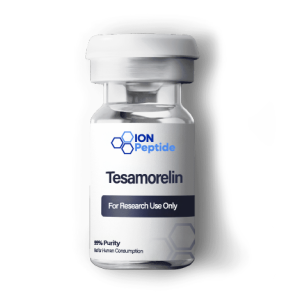
Introduction to tesamorelin
Tesamorelin is a synthetic peptide designed to stimulate growth hormone (GH) secretion by mimicking endogenous growth hormone-releasing hormone (GHRH). Its primary focus in clinical research is on metabolism, body composition, and hormonal regulation. Tesamorelin has shown significant potential in reducing visceral fat, improving lipid profiles, and enhancing energy utilization, making it a key subject in metabolic studies.
Mechanism of tesamorelin in Metabolic Regulation
Tesamorelin binds to GHRH receptors in the pituitary gland, activating signaling pathways that increase pulsatile GH secretion. Elevated GH levels stimulate insulin-like growth factor 1 (IGF-1), which mediates lipolytic and anabolic effects. This controlled stimulation of GH by tesamorelin promotes metabolic balance without the risks associated with direct GH therapy.
Clinical Effects of tesamorelin on Metabolism
Clinical research demonstrates that tesamorelin positively impacts metabolic markers. Participants receiving tesamorelin show reductions in visceral adipose tissue, improvements in lean body mass, and enhanced lipid metabolism. Tesamorelin has been associated with lower triglyceride levels, improved cholesterol profiles, and better glucose homeostasis, highlighting its potential in managing metabolic dysfunction.
tesamorelin in Body Composition Studies
Beyond metabolic markers, tesamorelin has a significant effect on body composition. By stimulating GH, tesamorelin promotes selective fat reduction, particularly in visceral regions, while preserving lean muscle mass. Studies indicate that this dual action of tesamorelin contributes to improved metabolic efficiency and overall physical health, supporting its clinical relevance.
Safety and Hormonal Considerations
Tesamorelin is generally well-tolerated, with mild side effects such as injection-site reactions and transient edema. Monitoring of IGF-1 levels is recommended to maintain safe GH activity. By promoting physiologic GH secretion, tesamorelin ensures hormonal balance while enhancing metabolic outcomes, making it a safe and effective therapeutic option.
tesamorelin in Research Applications
Tesamorelin serves as a model for studying the interaction between GH signaling and metabolism. Research using tesamorelin has provided insights into lipid mobilization, energy regulation, and the hormonal mechanisms underlying metabolic health. Its use in clinical trials helps advance understanding of peptide-based interventions for metabolic disorders.
Conclusion
Tesamorelin is a clinically significant peptide that enhances GH secretion and improves metabolic regulation. Research shows that tesamorelin reduces visceral fat, supports lean mass, optimizes lipid metabolism, and maintains hormonal balance. With consistent clinical evidence and a favorable safety profile, tesamorelin continues to be a vital tool in understanding metabolism, growth hormone pathways, and potential therapeutic applications.