Understanding Vapor Barriers
What is a Vapor Barrier?
A vapor barrier is a material that is designed to prevent moisture from moving from one area to another. Typically, in a residential setting, vapor barriers are used in crawl spaces and basements to stop moisture from penetrating into these areas from the soil or from outside. A common type of vapor barrier is a polyethylene sheet, which serves as a physical barrier against water vapor migration. The installation of such barriers is crucial in areas where moisture levels in the ground are high, as it protects the structural integrity of the building and ensures a healthy living environment.
Why is Vapor Barrier Installation Important?
Proper vapor barrier installation is essential for several reasons. Firstly, it protects the foundation of the house from moisture damage. When moisture seeps into crawl spaces or basements, it can lead to issues such as mold growth, wood rot, and structural damage. Additionally, vapor barriers help control indoor humidity levels, which can significantly improve air quality and prevent allergens and contaminants from circulating in the home. Lastly, they contribute to energy efficiency by minimizing the load on heating and cooling systems, as they reduce overall humidity and temperature fluctuations. Given these factors, Vapor Barrier Installation becomes a vital investment for homeowners looking to protect their properties and enhance comfort levels.
Common Materials Used for Vapor Barriers
Several materials are commonly used in vapor barrier installation. The most popular is polyethylene film, typically available in thicknesses of 6 mil and thicker. This type of polyethylene is durable and resistant to punctures, making it effective in blocking moisture. Other materials include foil-faced products, which reflect heat and are beneficial in areas experiencing extreme temperature changes. Additionally, there are vapor barrier membranes specifically designed for crawl spaces that may include features like integrated sealing and reinforcement to provide improved moisture resistance. Selecting the right material involves considering local climate, soil conditions, and specific installation requirements.
Steps for Effective Vapor Barrier Installation
Preparing the Crawl Space
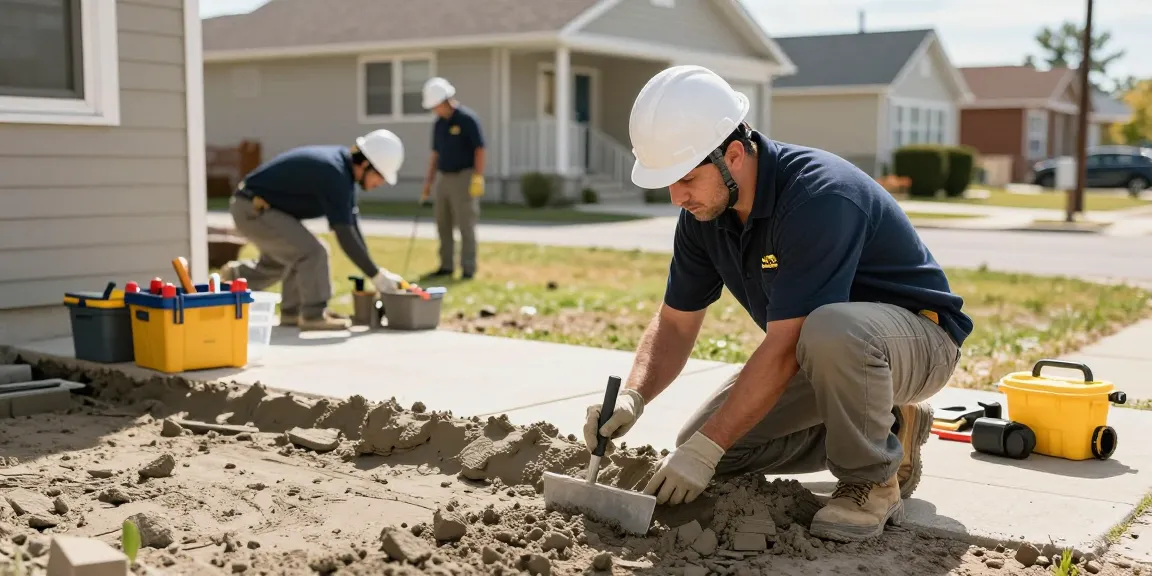
Before installing a vapor barrier, it's crucial to prepare the crawl space properly. Start by cleaning the area of any debris, sharp objects, or existing moisture issues. Inspect for standing water or signs of moisture damage, and address any drainage problems. If necessary, install a sump pump or drainage system before laying the vapor barrier. Furthermore, check for any pre-existing insulation that may be damaged and replace it if needed. This preparation sets a solid foundation for effective vapor barrier installation.
Measuring and Cutting the Barrier
After preparing the crawl space, the next step is to measure and cut your vapor barrier material accurately. Begin by measuring the dimensions of the crawl space, accounting for any piers or obstructions. It’s advisable to add at least 12 inches to both the width and length to ensure proper coverage and overlapping at seams. When cutting the polyethylene sheets, use a sharp utility knife to make clean cuts, allowing for neat edges that will seal tightly against moisture. Keep in mind the need for sufficient overlap with other sheets when multiple pieces are used, generally suggesting at least 12 inches for effective performance.
Securing the Barrier Properly
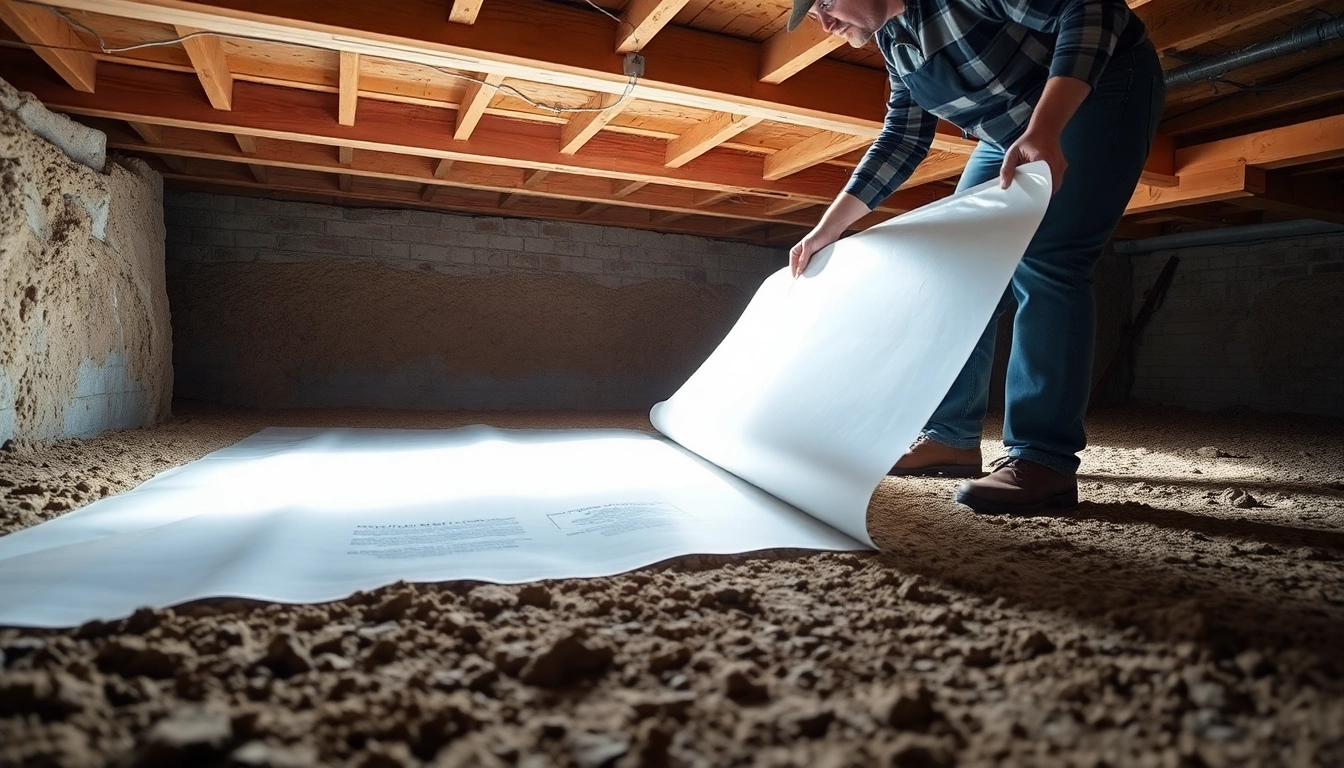
Once the vapor barrier is cut to size, secure it in place effectively to maximize its functionality. Begin by laying the plastic sheet over the ground, ensuring that it fully covers the area and extends up the walls of the crawl space. Use a moisture-resistant tape to seal all seams and overlaps between sheets. It’s critical to fasten the perimeter of the barrier securely against the walls to prevent any moisture ingress. Employing fasteners, staples, or adhesive is common for this purpose. Make sure to check that there are no gaps or holes; even the smallest openings can allow moisture to seep through.
Benefits of Vapor Barrier Installation
Moisture Control and Prevention
One of the primary benefits of installing a vapor barrier is effective moisture control. By limiting the amount of moisture that can seep into the crawl space or basement, you can significantly reduce humidity levels. This not only protects the structural components of your home but also inhibits the growth of mold and mildew, which can thrive in damp conditions. In regions with high groundwater levels, a properly installed vapor barrier can prevent long-term damage and expensive repairs.
Improved Indoor Air Quality
Moisture in the crawl space can result in poor indoor air quality due to the growth of mold and mildew, which can lead to respiratory issues for occupants. By providing a solid barrier against moisture, vapor barriers enhance indoor air quality. This is particularly important for households with children, elderly people, or individuals with pre-existing respiratory conditions. Cleaner air contributes to a more comfortable and healthier living environment, making it a significant advantage of vapor barrier installation.
Energy Efficiency Enhancements
Another prominent benefit of vapor barrier installation is the enhancement of energy efficiency within your home. When moisture is trapped in a building, heating and cooling systems must work harder to maintain comfortable temperatures. By controlling humidity and preventing excess moisture, vapor barriers help create steadier climate conditions, reducing energy usage and lowering utility bills. Homeowners may find that their HVAC systems last longer and require less frequent maintenance, leading to even greater cost savings over time.
Common Mistakes to Avoid
Ignoring Local Building Codes
One common pitfall in vapor barrier installation is ignoring local building codes and regulations. It’s essential to understand what is required in your area, as these codes often include specific guidelines regarding materials, installation methods, and safety protocols. Failing to comply with local regulations can lead to costly fines, and in some cases, necessitate redoing the installation altogether. Always check local building codes to ensure your vapor barrier installation adheres to legal and safety standards.
Insufficient Sealing and Overlaps
Another frequent mistake is failing to seal overlaps and seams properly. Neglecting to do so can create pathways for moisture to enter, ultimately undermining the entire purpose of the vapor barrier. Ensure that overlaps are a minimum of 12 inches and that every seam is carefully secured with moisture-resistant tape or adhesive. Checking for gaps before completing the installation can save time and money by avoiding issues that may arise from inadequate sealing.
Skipping Routine Inspections
After installation, many homeowners forget to conduct routine inspections, which are crucial for maintaining the effectiveness of the vapor barrier. Changes in the environment, such as heavy rainfall or structural modifications, can impact the barrier's integrity. Regular inspections can help identify potential issues early, such as tears in the barrier or signs of moisture intrusion. Maintaining a schedule for these inspections can ensure your vapor barrier continues to protect your home effectively over the years.
Frequently Asked Questions
1. How long does a vapor barrier last?
With proper installation, vapor barriers can last several decades, depending on materials and environmental conditions.
2. Can I install a vapor barrier myself?
While DIY installation is possible, hiring a professional ensures better quality, proper sealing, and compliance with local building codes.
3. What are the signs of a failing vapor barrier?
Signs include mold growth, musty odors, and visible moisture. Regular inspections are key to identifying potential failures.
4. Is a vapor barrier necessary in every crawl space?
Not necessarily; the need for a vapor barrier depends on local climate conditions, soil moisture, and specific basement characteristics.
5. What is the best type of vapor barrier material?
Polyethylene sheets of at least 6 mil thickness are commonly recommended for residential use, providing effective moisture control.