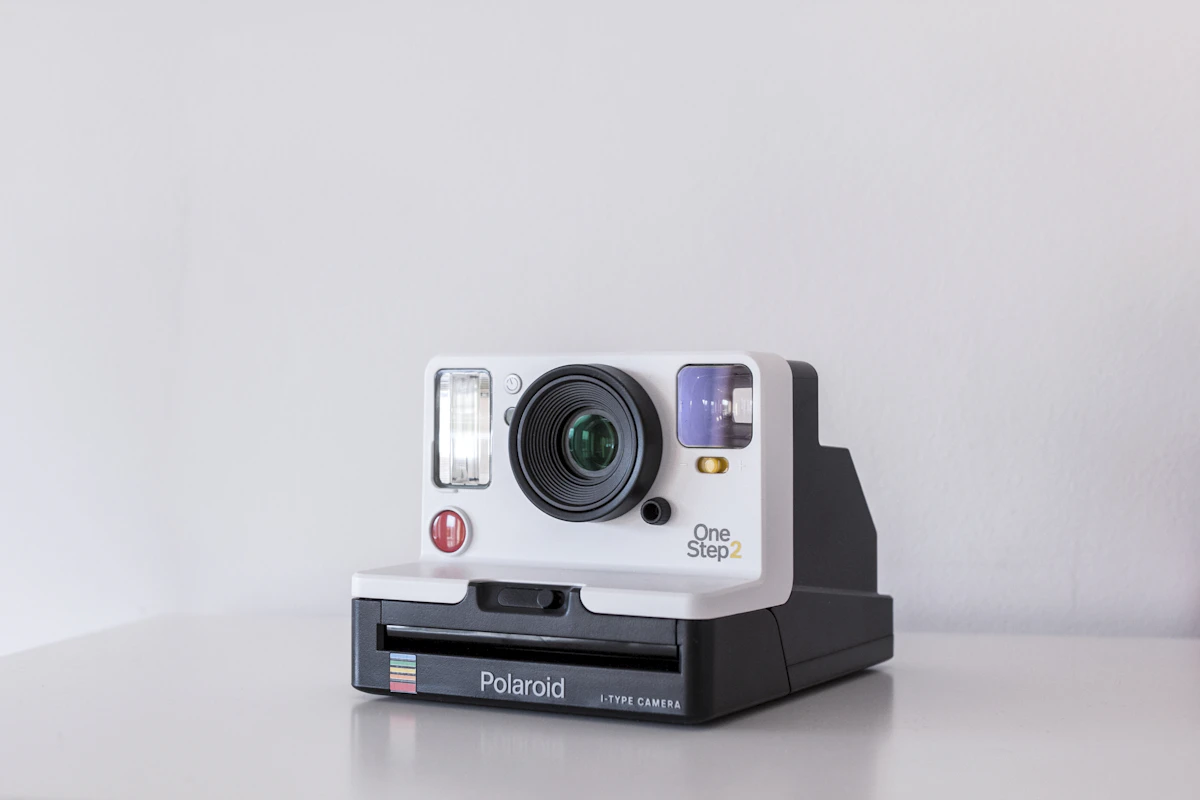
An instant camera prints the photo seconds after you take it, and that immediacy is the whole appeal. Guests at a party can hold the photo, stick it in a book, and take it home, which no phone screen quite replaces. The same immediacy is also the main limitation: each photo costs real money, cannot be edited or reprinted easily, and cannot be enlarged for a wall without losing quality. Knowing where instant cameras shine, and where they do not, prevents disappointment.
Where instant cameras work best
Instant cameras suit low-stakes, joyful situations: parties, weddings as a guest activity, travel journals, and gifts. The small print size suits albums, fridges, and noticeboards, and the slight softness and colour shift of instant film are part of its charm, not a flaw to fix. They also suit photographers who want to slow down, because each shot costs money and cannot be deleted, which encourages more careful framing. For children and beginners, an instant camera can teach composition without the distraction of a screen full of settings.
Where they fall short
Instant film is expensive per shot, often many times the cost of a digital photo, and the prints fade faster than properly stored digital files if kept in sunlight. Low light is difficult, because most instant cameras have small lenses and simple flash, and the print cannot be corrected afterwards if the exposure is wrong. For client work, events that need reliable delivery, or photos that must be printed large, a digital camera is a far safer choice. Do not promise instant prints as the main delivery for a paid shoot unless you have tested the camera, the film, and the light in advance. related guide shows the opposite workflow: digital photos edited carefully for consistent colour, which instant film cannot offer.
Getting the best from instant film
Shoot in bright, even light when you can, keep the camera steady, and let prints develop face down and undisturbed, rather than shaking them, which is a myth that can damage the image. Store film in a cool, dry place, check the expiry date, and carry more film than you think you need, because running out halfway through an event is the most common instant-camera frustration. Keep finished prints away from direct sun and heat. Used with those limits in mind, an instant camera is a delightful second camera, even for serious photographers. another guide in this category explains how to read lens markings, which helps when comparing any camera, including a simple instant one.
Before buying, calculate the true cost: the camera plus a realistic number of film packs for a year. If that total surprises you, you have learned the most important fact about instant photography before spending anything.